WHAT THE CAMERA SEES
What a CCTV Drain Inspection in Bendigo Can Reveal
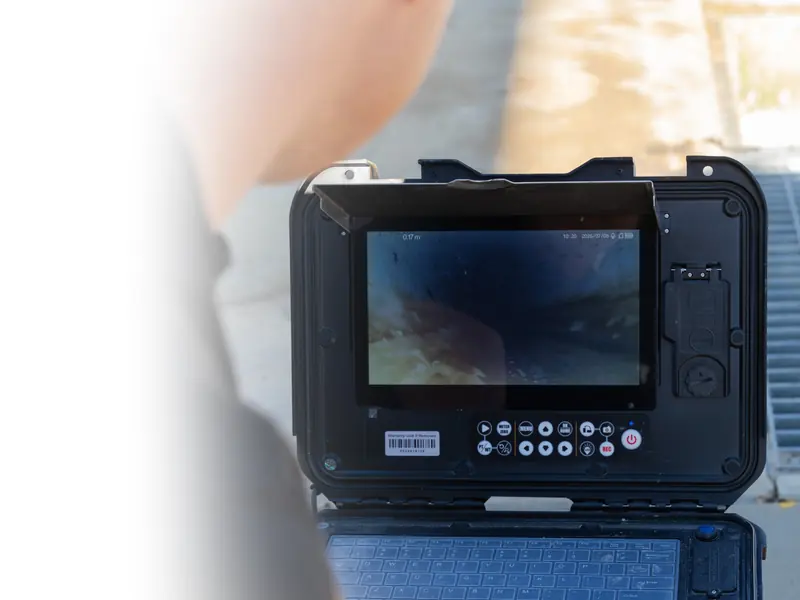
A small waterproof camera on a flexible cable travels through the pipe and sends a live picture to a screen above ground. Instead of guessing what is wrong, you can see it. Common findings include:
- Root intrusion: fine hair roots or thick masses growing in through joints and cracks
- Cracks and breaks: splits in the pipe wall that let water out and soil in
- Displaced joints: sections that have shifted out of line, leaving a lip that catches debris
- Sagging or bellied sections: dips where the pipe has settled and water and waste sit
- Collapses: parts of the pipe that have caved in or been crushed
- Foreign objects: toys, tools, building rubble and anything else that should not be there
This applies to stormwater lines as much as sewer pipes. Roots and silt in a stormwater pipe often go unnoticed until the first big storm, when pits overflow and water has nowhere to go.
WHEN TO BOOK
When to Book a Drain Camera Inspection
- Recurring blockages. If the same drain keeps blocking, there is a reason. The camera shows whether it is roots, a damaged section or simply build-up that needs regular attention.
- Before buying a property. Drains are generally not visible during a standard building inspection. Checking the sewer and stormwater lines of an older house in Bendigo, Castlemaine or Kyneton before you commit can help you avoid unwelcome surprises.
- Before renovating or building. If an extension, deck, pool or slab will go over or near an existing pipe, it makes sense to know its condition and route first. Dealing with a damaged pipe before it is covered is usually far simpler than after.
- Unexplained smells or damp. A lingering odour, a soggy patch in the yard or damp near footings can point to a leaking or broken pipe, and the camera can confirm where it is.
- After jetting. A camera run once the line has been cleared confirms the pipe is genuinely clear and shows whether anything underlying needs attention. It pairs naturally with high pressure drain jetting.
DURING THE INSPECTION
What Happens During a Drain Camera Inspection
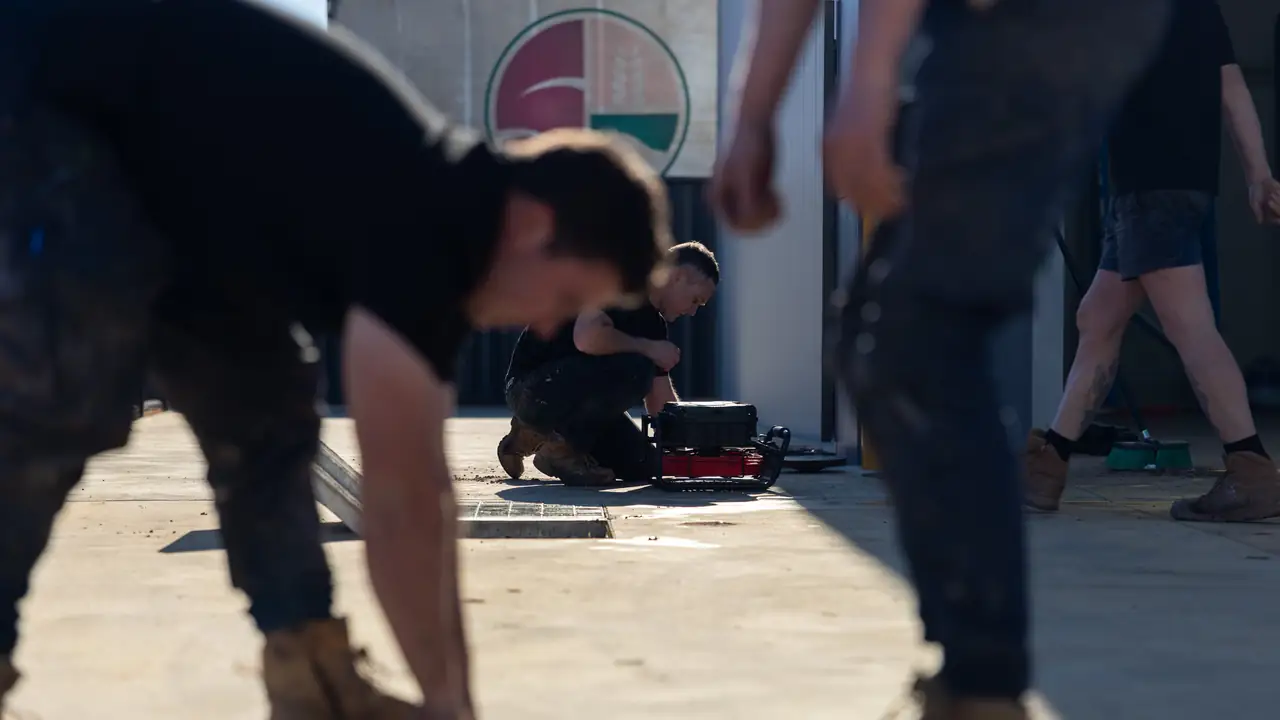
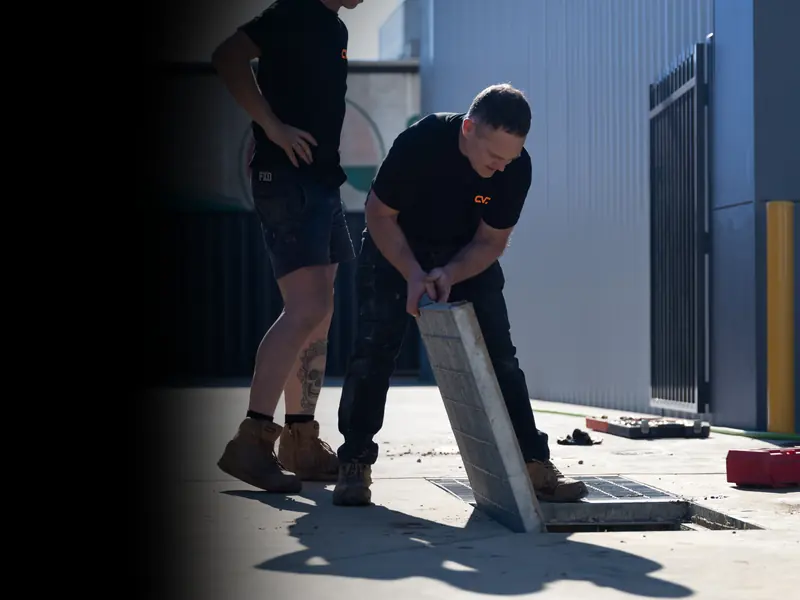
We start by finding a suitable access point, such as an inspection opening, gully, downpipe or stormwater pit. In most cases the inspection can be carried out from outside, without needing to come through the house.
The camera is then pushed slowly along the pipe while we watch the live picture, pausing at joints, junctions and anything unusual. Where a fault shows up, we note how far along the line it sits so it can be found from the surface. It can be reassuring to see the inside of your pipes for the first time, even when the news is good.
FIND IT, DON'T GUESS
Locating Pipe Position and Depth to Keep Digging to a Minimum
Seeing a problem is only half the job. You also need to know exactly where it is. The camera head gives off a signal that our electromagnetic locator picks up from the surface, so we can trace the route of the pipe and mark the position and depth of a fault on the ground above.
That matters if repairs are needed. Instead of digging exploratory trenches across a lawn or breaking up a whole driveway, any excavation can be focused on the spot that needs it. It is just as handy for confirming where a pipe runs before you plant trees, sink fence posts or pour a new slab.
SEE IT FOR YOURSELF
We Show You What the Camera Finds and Explain Your Options
You are welcome to watch the screen with us during the inspection. We point out what we are seeing, explain what it means in plain language and talk through what can be done about it.
Sometimes the answer is simple, such as jetting out roots or debris and keeping an eye on the line. In other cases, a cracked or collapsed section may need repair or replacement, and knowing its exact location helps whoever carries out that work plan it properly. Either way, you will have a clear picture before spending money on the next step. To arrange a CCTV drain inspection in Bendigo or the surrounding region, request a booking or give us a call.