SPOT THE SIGNS
Signs of a Blocked Drain in the Kitchen, Bathroom, Laundry and Yard
Most blocked drains give a few warnings before they overflow. Where the symptom shows up is a good clue to where the blockage sits, so take note of it before you pick up the phone.
- Kitchen: the sink empties slowly, water rises in one bowl as the other drains, or a sour smell drifts up from the plughole. Grease and food scraps are the usual culprits here.
- Bathroom: water pools around your feet in the shower, the basin gurgles, or the toilet bowl fills higher than normal before it clears.
- Laundry: the trough backs up when the washing machine pumps out, or suds appear in the floor waste.
- Outdoors: the gully trap is wet or overflowing, a strip of lawn above the pipe stays soggy, or a grate holds water long after rain.
One slow fixture on its own usually means a local blockage close to that fixture. When several are struggling at once, the problem is more likely in the main line, and our page on blocked sewer lines covers that in more detail.
COMMON CAUSES
What Causes Blocked Drains in Bendigo Homes
Every property is different, but the same handful of causes turn up again and again across Bendigo and the surrounding towns.
- Tree roots. Roots are drawn to the moisture inside pipes and can work in through a hairline gap at a joint. Once inside, they spread into a fibrous mat that snags everything flowing past.
- Older clay pipes. In established suburbs such as Golden Square, Eaglehawk and Quarry Hill, many homes may still have their original earthenware drains. These were laid in short lengths, so there are plenty of joints for roots and soil to get through.
- Fats, oils and grease. Poured down the sink while warm, they cool and cling to the pipe wall, narrowing it a little more each week.
- Wipes. Baby wipes, make-up wipes and cleaning cloths hold together in water and catch on roots and rough joints.
- Silt and soil. Dirt washes in through cracked pipes, uncovered gullies and outdoor drains, then settles in low spots until water can barely get past.
WHY JETTING WORKS
Why Jetting Clears the Whole Pipe, Not Just a Hole Through It
A plunger, a bottle of drain cleaner or a hand auger can sometimes get water moving again. The catch is that they usually open only a narrow channel through the blockage. Roots, grease and silt are left clinging to the pipe walls, ready to catch the next lot of debris, which is why the same drain often blocks again before long.
High pressure jetting takes a different approach. Water is driven through a hose and nozzle that travels along the pipe, scouring the full width of the bore and flushing the loosened material away. The drain is cleaned from wall to wall rather than simply poked through. Our high pressure drain jetting page explains the process in more depth.
It is worth steering clear of caustic drain cleaners in the meantime. They rarely shift a solid blockage, and if the drain does not empty they sit in the pipe, making the job less safe for whoever clears it.
ON THE DAY
What Happens When We Arrive to Clear Your Blocked Drain
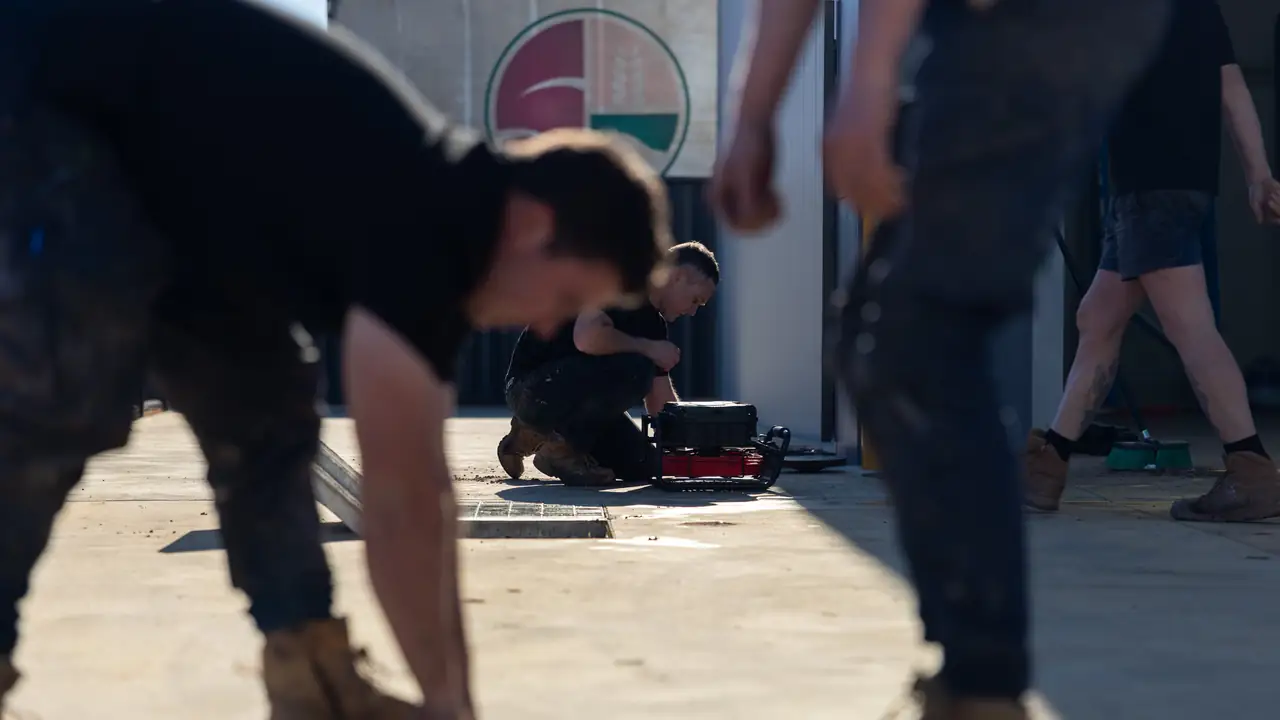
When Central Vic Jetting attends a blocked drain at your home or business, the visit generally follows the same steps.
- A quick chat. We ask which fixtures are affected, when it started and whether it has happened before. Your answers help narrow down where to look.
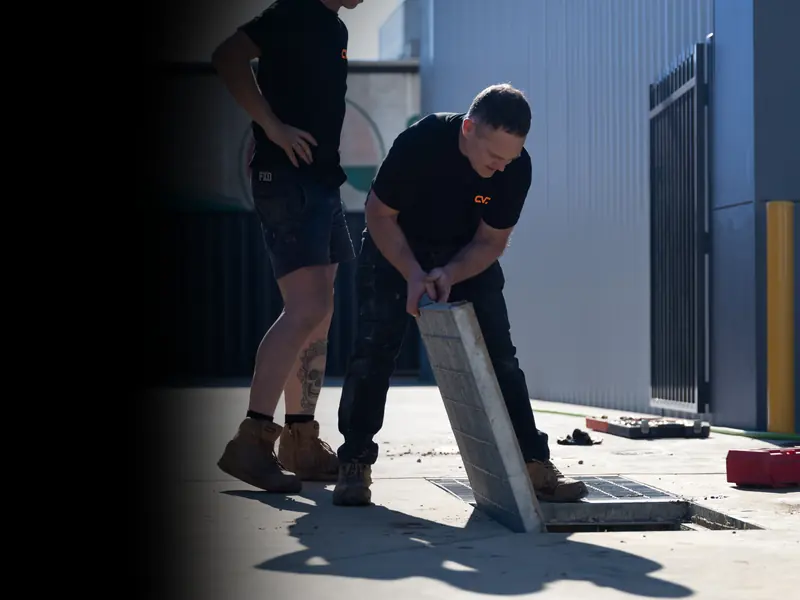
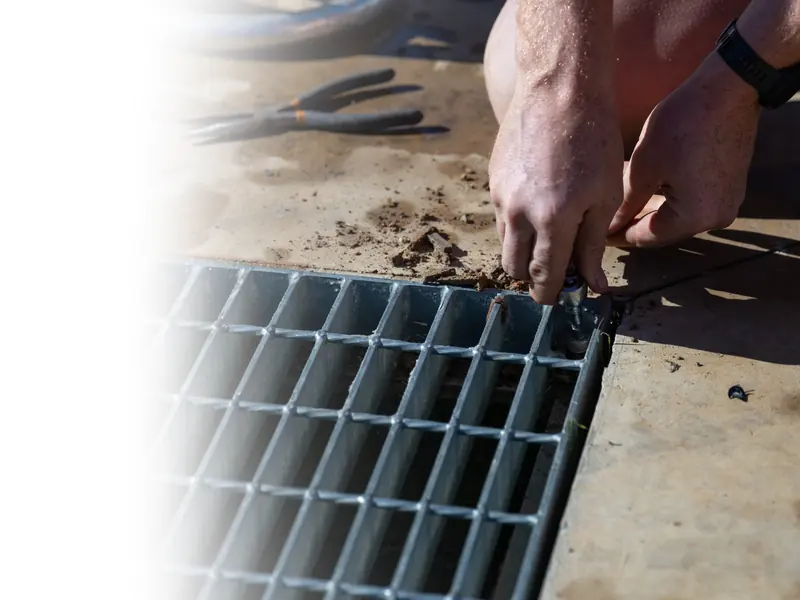
- Finding access. We locate the most suitable entry point, often an inspection opening, gully trap or outdoor pit, so the work can be done from outside wherever possible.
- Clearing the line. The jetter hose is fed into the pipe to break up the blockage and flush it out along the full length of the drain.
- Checking the result. We run water through the affected fixtures to make sure everything is draining freely. If the cause is unclear, or the drain has blocked before, a camera inspection can show what is going on inside.
For blocked drains in Bendigo, Kangaroo Flat, Strathfieldsaye and nearby, give us a call or request a booking and we will talk you through the next step.