FIRST STEPS
What to Do First When Your Toilet Is Blocked
When the water in the bowl rises instead of draining away, the most important thing is to stop flushing. Each extra flush adds water to a pan that cannot empty, and that is how a blocked toilet becomes a flooded bathroom.
- If the bowl is close to the rim, turn off the small isolation tap near the toilet so the cistern stops refilling.
- Check the other fixtures. Run a little water in the basin and shower and see whether it drains normally.
- Look outside at the overflow relief gully. If it is wet or overflowing, the blockage is likely to be in the sewer line rather than the toilet.
- Skip the chemical drain cleaners. They seldom clear a toilet blockage and leave a caustic mix sitting in the pan.
PAN OR SEWER?
How to Tell a Toilet Pan Blockage from a Sewer Blockage
Most cases of a blocked toilet in Bendigo come down to one of two things: something stuck in the pan itself, or a blockage further down the sewer pipe the toilet drains into. Telling them apart helps you decide what to do next.
- Likely a pan blockage: only one toilet is affected, the rest of the house drains normally and the trouble started right after something unusual was flushed.
- Likely a sewer blockage: the shower or floor waste fills when you flush, more than one toilet is slow, other drains gurgle or the gully outside is overflowing.
In homes with older clay sewer pipes, a toilet that keeps blocking is often the first sign of roots in the line. The toilet sends more solid waste down the pipe than any other fixture, so it tends to be the first to struggle when the bore narrows.
A flanged toilet plunger can sometimes shift a simple pan blockage. If the toilet is still sluggish after a few careful attempts, or the signs point to the sewer, the line needs to be cleared properly. Our blocked sewer page explains what is happening further down the pipe.
NEVER FLUSH THESE
What Should Never Be Flushed Down the Toilet
A toilet and the pipe behind it are designed for three things: human waste, water and toilet paper. Many everyday items cause blockages because they do not break down in water the way toilet paper does.
- Wet wipes of every kind, including those labelled "flushable"
- Sanitary pads, tampons and applicators
- Paper towel and tissues, which are made to stay strong when wet
- Cotton buds, cotton balls and dental floss
- Nappies and nappy liners
- Cooking fat and oil, which set hard in the pipe just as they do from the kitchen sink
- Cat litter, including types sold as flushable
- Hair from brushes and razors
- Children's toys, which end up in pipes more often than you might think
A small lidded bin in every bathroom makes it easy for everyone in the house, including guests, to do the right thing.
HOW WE CLEAR IT
Clearing a Blocked Toilet from the Sewer Line
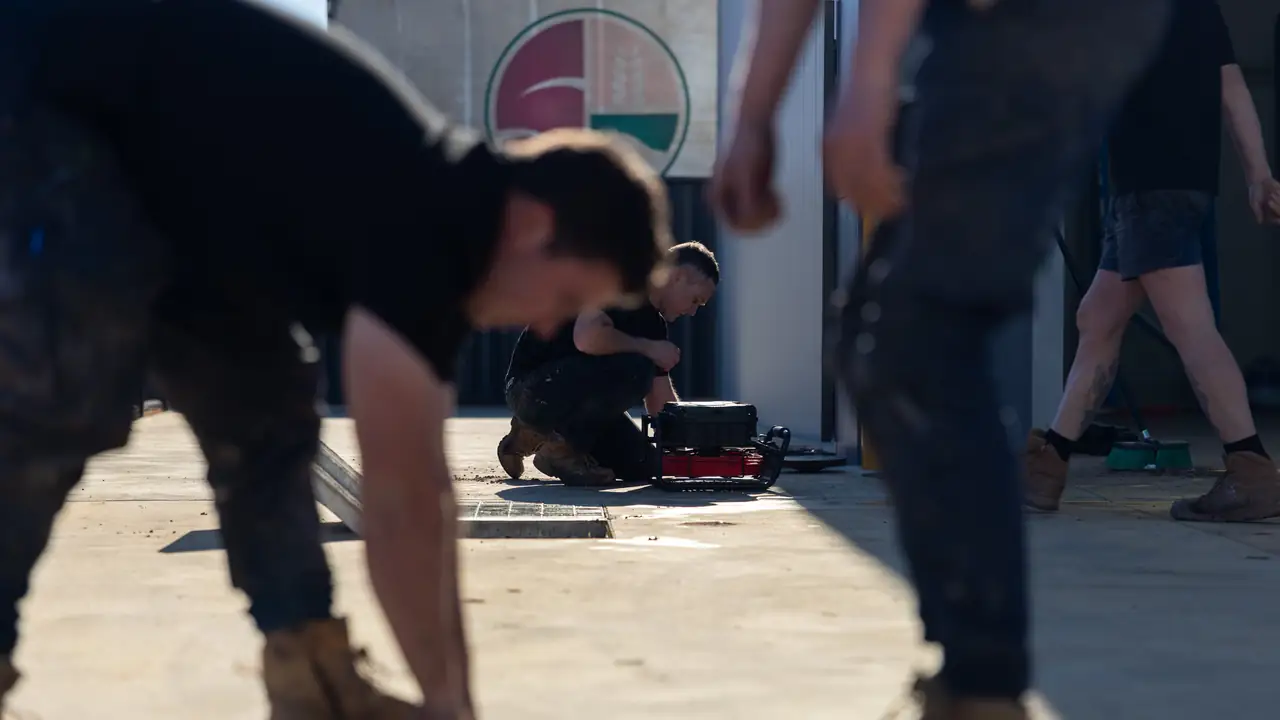
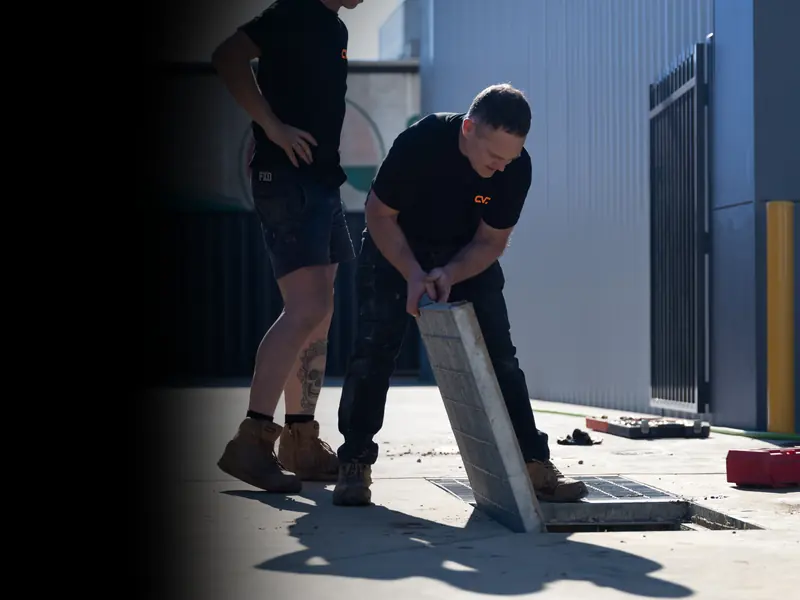
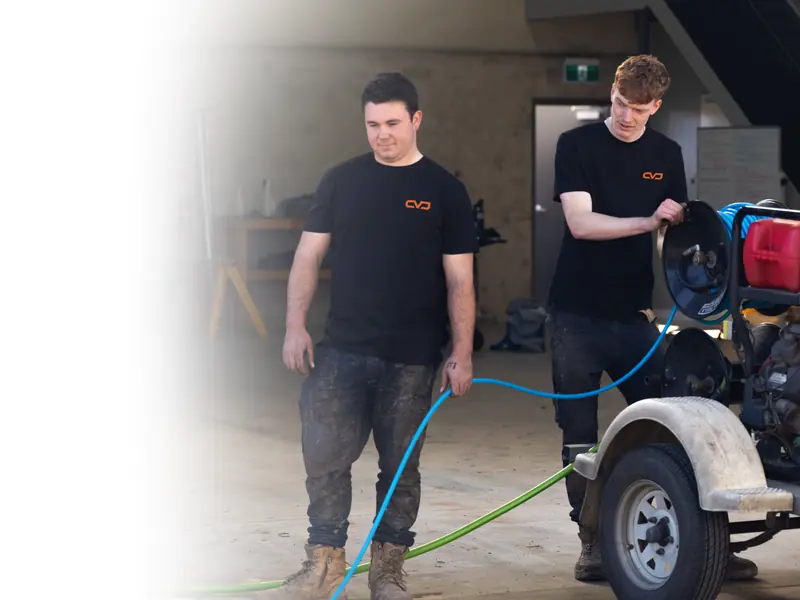
When the sewer is the cause, working from the bowl rarely reaches the source. Instead, we usually access the line from an inspection opening or the overflow relief gully outside and use high pressure jetting to cut through the obstruction and wash it on down the line, rather than pushing it back and forth from inside the bathroom.
Once water is flowing again, a drain camera can be sent along the pipe to confirm it is clear and to look for anything that could cause a repeat, such as roots at a joint or a toy lodged in a bend. We will talk you through anything the camera picks up and what, if anything, needs doing next.
The camera is especially useful where a toilet has blocked more than once. It can reveal wipes caught on a root mass or a sag in the line where paper collects, which explains why the problem keeps returning.
WHEN TO CALL
When to Call Us About a Blocked Toilet
It is time to get help if:
- It is the only toilet in the house and you cannot use it
- Sewage is coming up through the shower, floor waste or gully
- Plunging has not worked, or the blockage keeps coming back
- Someone has flushed an object you cannot reach
Central Vic Jetting helps households and businesses with a blocked toilet in Bendigo, Golden Square, Kangaroo Flat and surrounding towns, with 24/7 emergency assistance available. Call 0494 434 413 or request a booking.