Commercial sites
Drain maintenance for workshops, warehouses and yards
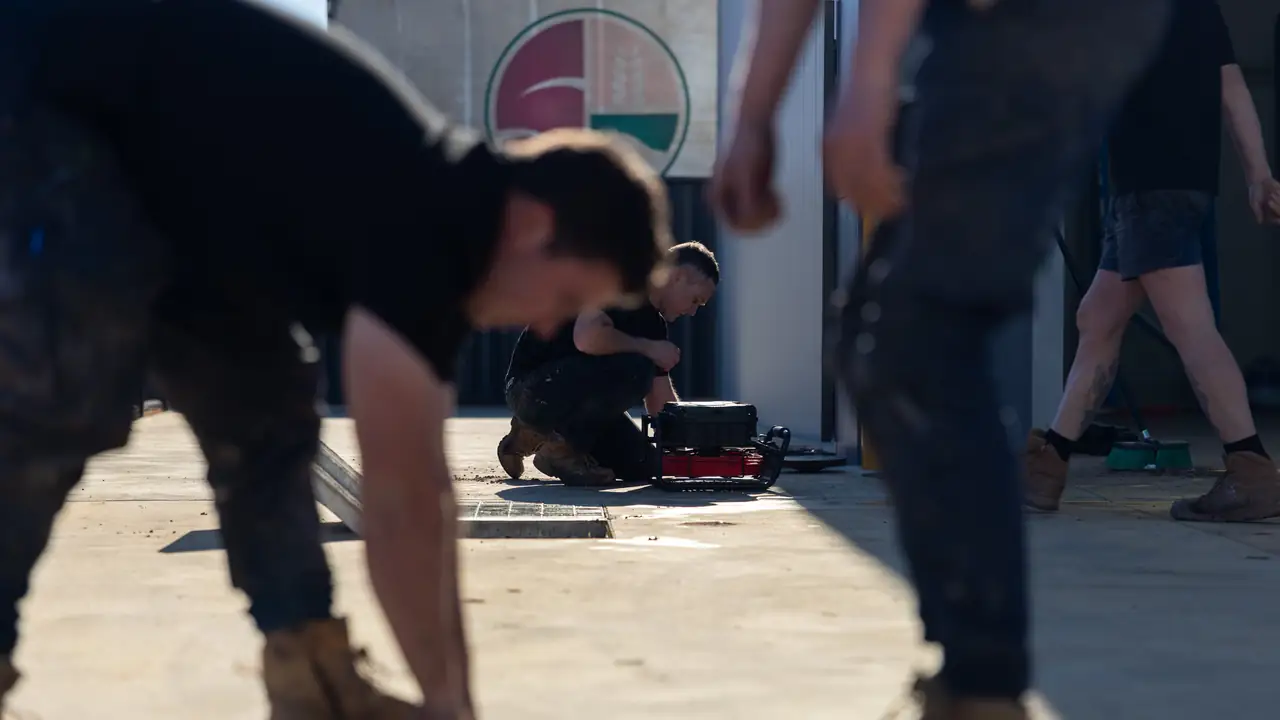
Commercial and light-industrial properties put drains under different pressures from a family home. Large hardstand areas send heavy flows to stormwater pits in rain, and those pits collect grit, gravel, leaves and whatever else is lying on the ground. Road base from unsealed areas is a common culprit. Amenities blocks see more traffic, and kitchens or staff rooms can push grease into the sewer.
Planned drain cleaning takes the surprise out of it. Rather than waiting for a pit to overflow across a loading area, we can jet the lines on a schedule that suits the way your site is used and how much debris it produces.
Wash-down areas and vehicle bays deserve particular attention. Mud, grit and oily residue from cleaning vehicles or equipment can settle quickly in pits and pipes, and once it hardens it takes more than a garden hose to shift.
What we check
What a maintenance visit can cover
Every site is different, but drain cleaning in Epsom on a commercial property might include:
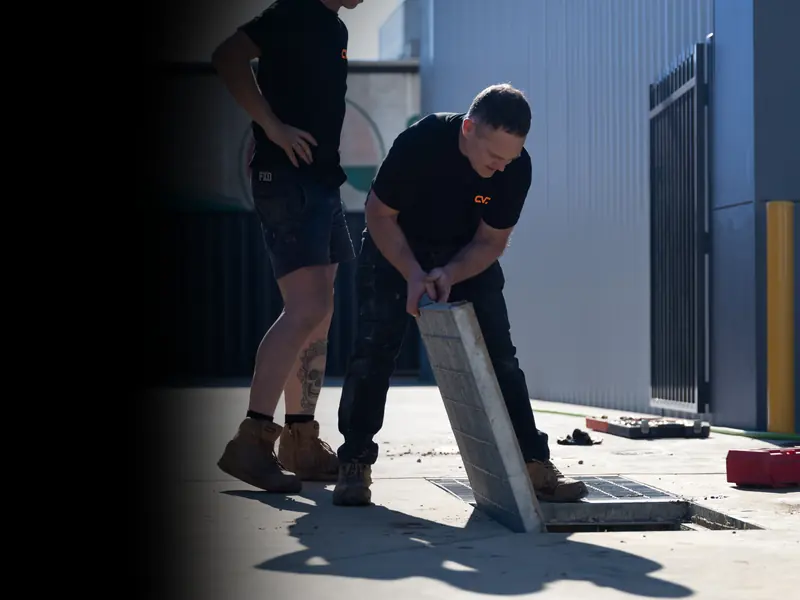
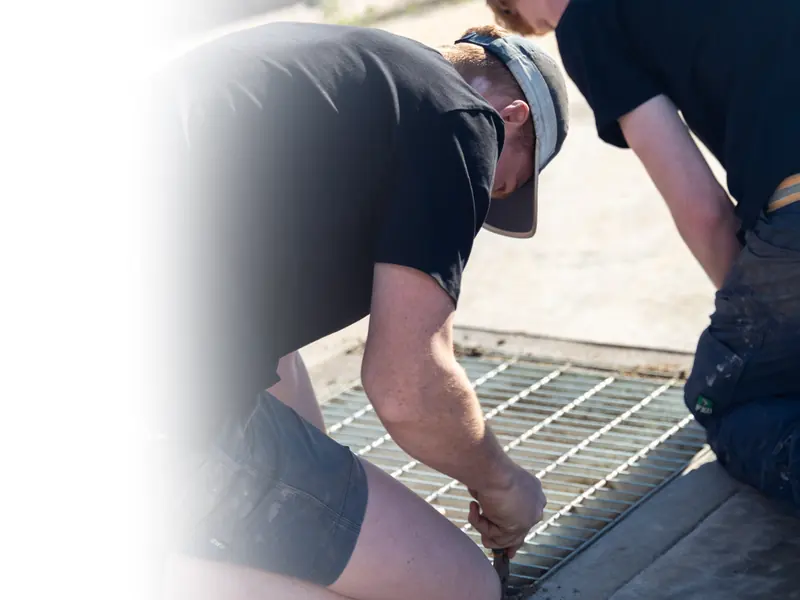
- removing sediment from stormwater pits and grated drains
- jetting the pipe runs between pits through to the outlet
- flushing sewer lines from amenities and kitchen areas
- a CCTV inspection of any line that has blocked before
- checking that grates and pit lids are seated properly and undamaged
- a follow-up so you know what was found and what to watch
Over time, regular visits also make it easier to spot a line that is starting to deteriorate. We can talk through timing that suits your operation, such as before the wetter months or during a quieter period.
Newer homes
Looking after drains in Epsom's newer streets
Newer Epsom homes generally have modern PVC sewer and stormwater pipes, which hold up well against tree roots but are not immune to blockages. Grease poured down the kitchen sink, wipes in the toilet and silt from new gardens are the usual causes. Kitchen sinks are a frequent trouble spot, usually because fat cools and sets inside the pipe.
Most of these respond well to high-pressure drain jetting, which scours the inside of the pipe instead of just opening a narrow path through the blockage.
Toilets deserve a mention of their own. If only one toilet is affected and the rest of the house drains normally, the problem is usually close by, in the pan or the pipe just beyond it. If every fixture is slow, the cause is more likely further down the line. Our blocked toilet page covers the warning signs.
Separate systems
Keeping stormwater out of the sewer
On mixed-use and commercial land, drainage is often altered several times as buildings are added or changed. Running rainwater into the sewer is generally not allowed, so it pays to know where each downpipe and pit actually drains. Commercial sites also change hands over the years, and drainage plans are not always passed on to the next owner. Mapping the lines once saves guesswork for whoever manages the site next.
A camera inspection paired with electromagnetic locating can trace lines across a site and mark their position and depth, which is also useful before any excavation or new slab work.